

Wall posters are basically pictures or designs you stick on a wall. People use them to decorate, teach, inspire, or just show off some art. You'll see them pretty much everywhere – homes, schools, stores, you name it.
What They're For:
Decoration: Make a room look nicer or show off your style.
Learning: Show charts, maps, or school stuff.
Ads: Get the word out about events, movies, or things for sale.
Good Vibes: Display sayings to help you feel better or stay focused.
Art: Put up copies of cool paintings, digital art, or photos.
Sizes (Roughly):
8 × 10 inches (20 × 25 cm): For smaller art prints.
11 × 17 inches (28 × 43 cm): A small, regular poster.
18 × 24 inches (46 × 61 cm): A medium-sized poster.
24 × 36 inches (61 × 91 cm): A big poster for your wall.
27 × 40 inches (69 × 102 cm): Like a movie poster.
Custom: Any size you want.
What They're Made Of:
Paper (Matte or Shiny): Cheap and common.
Cardstock: Thicker paper that lasts longer.
Vinyl: Waterproof and hard to rip, good for outside.
Canvas: Looks fancy, like real art.
Cloth (Polyester or Cotton): Light and you can use it again.
Plastic: Sturdy, good for signs.
How They're Printed:
Digital: Good for small orders, looks sharp and doesn't cost too much.
Offset: For printing lots of posters, gets the colors right.
Screen : For bold designs and bright colors.
Inkjet:: For printing at home or making custom prints.
UV : Lasts a while and the colors don't fade in the sun.
What They Look Like (Finishes):
Matte: No glare, looks classy.
Shiny: Bright colors, but can reflect light.
Satin: A bit of both matte and shiny.
Textured: Feels cool, like on canvas.
Laminated: Keeps out water and stops fading.
Making it Look Good (Design):
Theme: Pick something you like – abstract, nature, whatever.
Colors: Match to the room.
Layout: Make sure the picture, words, and empty space look good together.
Words: If you have words, pick a font that fits – like a strong font for motivation, or a fancy one for art.
Sharpness:: Use at least 300 DPI so the print is clear.
How to Hang It:
No Frame: Use tape or sticky stuff.
With a Frame: Looks nicer and protects the poster.
Hangers: Simple and you can use them again.
Foam Board: Makes the poster stiff.
Stickers: Easy to stick and move around.
Taking Care:
Keep out of the sun so it doesn't fade.
Keep away from water unless it's protected.
Roll it up to store it (in a tube), don't fold it.
Clean it gently with a soft cloth.
Think Green:
Use soy or water-based inks.
Use paper made from recycled stuff.
Use things like bamboo or hemp.
Cool Ideas:
Abstract designs
Nature scenes
City views
Sayings to keep you going
Music stuff, movies, or famous people
Simple patterns
School charts
Picking the Right One:
Match the size and color to your room.
Shiny posters for dark rooms, matte for bright rooms.
Pick something that shows who you are or what you want.
Use a bunch of small posters to make a cool wall.
For big walls, get long pictures.
What They're For:
Decoration: Make a room look nicer or show off your style.
Learning: Show charts, maps, or school stuff.
Ads: Get the word out about events, movies, or things for sale.
Good Vibes: Display sayings to help you feel better or stay focused.
Art: Put up copies of cool paintings, digital art, or photos.
Sizes (Roughly):
8 × 10 inches (20 × 25 cm): For smaller art prints.
11 × 17 inches (28 × 43 cm): A small, regular poster.
18 × 24 inches (46 × 61 cm): A medium-sized poster.
24 × 36 inches (61 × 91 cm): A big poster for your wall.
27 × 40 inches (69 × 102 cm): Like a movie poster.
Custom: Any size you want.
What They're Made Of:
Paper (Matte or Shiny): Cheap and common.
Cardstock: Thicker paper that lasts longer.
Vinyl: Waterproof and hard to rip, good for outside.
Canvas: Looks fancy, like real art.
Cloth (Polyester or Cotton): Light and you can use it again.
Plastic: Sturdy, good for signs.
How They're Printed:
Digital: Good for small orders, looks sharp and doesn't cost too much.
Offset: For printing lots of posters, gets the colors right.
Screen : For bold designs and bright colors.
Inkjet:: For printing at home or making custom prints.
UV : Lasts a while and the colors don't fade in the sun.
What They Look Like (Finishes):
Matte: No glare, looks classy.
Shiny: Bright colors, but can reflect light.
Satin: A bit of both matte and shiny.
Textured: Feels cool, like on canvas.
Laminated: Keeps out water and stops fading.
Making it Look Good (Design):
Theme: Pick something you like – abstract, nature, whatever.
Colors: Match to the room.
Layout: Make sure the picture, words, and empty space look good together.
Words: If you have words, pick a font that fits – like a strong font for motivation, or a fancy one for art.
Sharpness:: Use at least 300 DPI so the print is clear.
How to Hang It:
No Frame: Use tape or sticky stuff.
With a Frame: Looks nicer and protects the poster.
Hangers: Simple and you can use them again.
Foam Board: Makes the poster stiff.
Stickers: Easy to stick and move around.
Taking Care:
Keep out of the sun so it doesn't fade.
Keep away from water unless it's protected.
Roll it up to store it (in a tube), don't fold it.
Clean it gently with a soft cloth.
Think Green:
Use soy or water-based inks.
Use paper made from recycled stuff.
Use things like bamboo or hemp.
Cool Ideas:
Abstract designs
Nature scenes
City views
Sayings to keep you going
Music stuff, movies, or famous people
Simple patterns
School charts
Picking the Right One:
Match the size and color to your room.
Shiny posters for dark rooms, matte for bright rooms.
Pick something that shows who you are or what you want.
Use a bunch of small posters to make a cool wall.
For big walls, get long pictures.
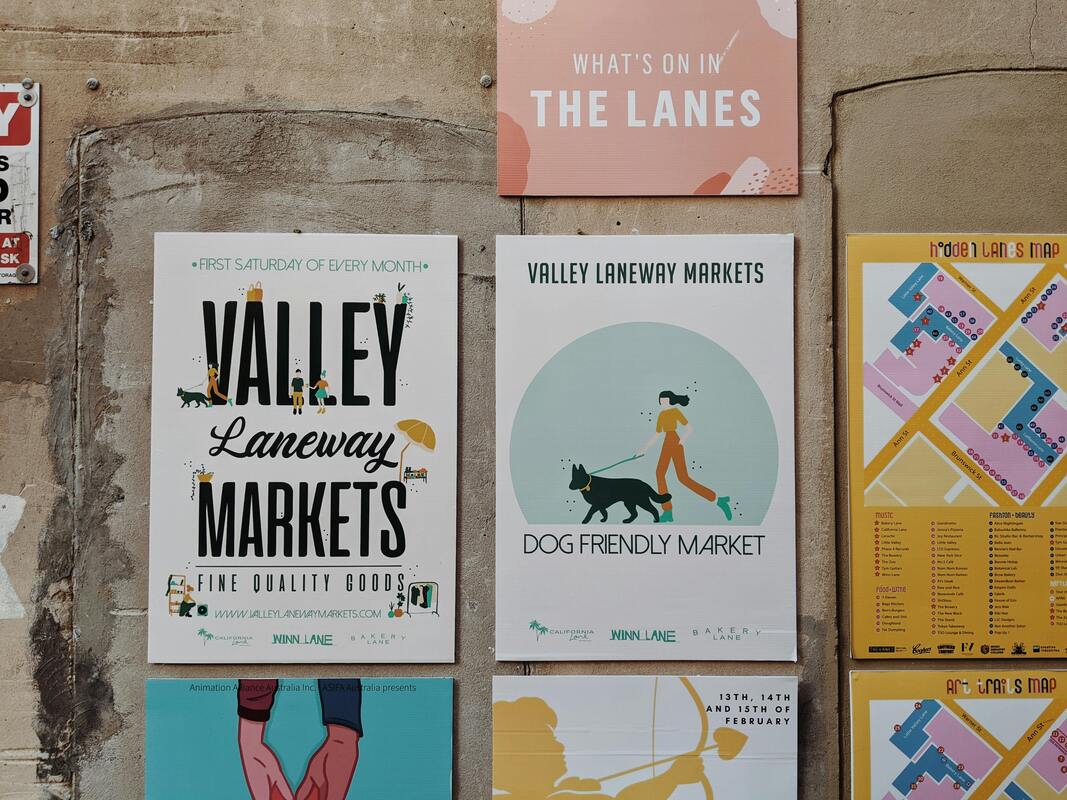
**Wall Poster Types: A Quick Guide**
Okay, so you're looking at wall posters? Here's a breakdown of the kinds you'll find:
**1. What's the Point? (Purpose)**
* **Decorative:** Just look good! Think homes, offices, cafes.
* **Inspiration:** Quotes and sayings to pump you up. Seen in gyms, schools, offices.
* **Learning:** Maps, charts, stuff like that. Good for classrooms and study spots.
* **Ads:** To sell stuff, promote events, movies. You see these everywhere.
* **Art:** Copies of paintings and photos. Homes or art spaces.
* **Info:** Instructions, things to be aware of.(hospitals, offices)
* **Events:** parties.(Campaigns, concerts)
**2. What's it Made Of? (Material)**
* **Paper:** Regular poster paper. Cheap and easy to print.
* **Cardstock:** Thicker paper, lasts longer, colors pop.
* **Vinyl:** Plastic-y, so it's waterproof and tough.
* **Canvas:** Like a painting! A fancier, textured look.
* **Fabric:** Folds up, can wash it. Light.
* **Metal:** Printed on thin aluminum. Modern, and tough.
* **Acrylic:** Shiny! Looks fancy. but scratches if bumped.
**3. How'd They Print it? (Printing Style)**
* **Digital:** The norm now. Colors look nice and sharp.
* **Screen Print:** Bold, vibrant colors, looks handmade.
* **Offset:** Good for printing tons of posters with colors just right.
* **UV:** Won't fade since it uses special fade-proof inks.
* **Inkjet:** For doing it yourself and one - off prints.
**4. How Shiny? (Finish)**
* **Matte:** No shine, looks classy.
* **Glossy:** Super shiny, colors look bright.
* **Satin:** A bit of shine, not too much.
* **Textured:** Feels like canvas.
* **Laminated:** Plastic-coated, so water and tears don't hurt it.
**5. What's it About? (Design Theme)**
* **Abstract:** Shapes and colors, no real picture.
* **Nature:** Animals, trees, oceans.
* **Words:** Just words, quotes, cool lettering.
* **Simple:** Clean and modern.
* **Pop Culture:** Movies, music, celebs.
* **Old School:** Retro designs.
* **Modern Art:** New styles, experimental stuff.
* **Shapes:** Patterns and symmetrical things.
* **Mixed Up:** Lots of images layered together.
**6. How Does it Hang? (Display)**
* **Framed:** With a frame around it.
* **Unframed:** Just the poster. Tape it to the wall!
* **Mounted:** Stuck to a board.
* **Hanging:** Uses clips and rods to hang.
* **Self-Stick:** Just peel and stick! You can move it if you want.
Okay, so you're looking at wall posters? Here's a breakdown of the kinds you'll find:
**1. What's the Point? (Purpose)**
* **Decorative:** Just look good! Think homes, offices, cafes.
* **Inspiration:** Quotes and sayings to pump you up. Seen in gyms, schools, offices.
* **Learning:** Maps, charts, stuff like that. Good for classrooms and study spots.
* **Ads:** To sell stuff, promote events, movies. You see these everywhere.
* **Art:** Copies of paintings and photos. Homes or art spaces.
* **Info:** Instructions, things to be aware of.(hospitals, offices)
* **Events:** parties.(Campaigns, concerts)
**2. What's it Made Of? (Material)**
* **Paper:** Regular poster paper. Cheap and easy to print.
* **Cardstock:** Thicker paper, lasts longer, colors pop.
* **Vinyl:** Plastic-y, so it's waterproof and tough.
* **Canvas:** Like a painting! A fancier, textured look.
* **Fabric:** Folds up, can wash it. Light.
* **Metal:** Printed on thin aluminum. Modern, and tough.
* **Acrylic:** Shiny! Looks fancy. but scratches if bumped.
**3. How'd They Print it? (Printing Style)**
* **Digital:** The norm now. Colors look nice and sharp.
* **Screen Print:** Bold, vibrant colors, looks handmade.
* **Offset:** Good for printing tons of posters with colors just right.
* **UV:** Won't fade since it uses special fade-proof inks.
* **Inkjet:** For doing it yourself and one - off prints.
**4. How Shiny? (Finish)**
* **Matte:** No shine, looks classy.
* **Glossy:** Super shiny, colors look bright.
* **Satin:** A bit of shine, not too much.
* **Textured:** Feels like canvas.
* **Laminated:** Plastic-coated, so water and tears don't hurt it.
**5. What's it About? (Design Theme)**
* **Abstract:** Shapes and colors, no real picture.
* **Nature:** Animals, trees, oceans.
* **Words:** Just words, quotes, cool lettering.
* **Simple:** Clean and modern.
* **Pop Culture:** Movies, music, celebs.
* **Old School:** Retro designs.
* **Modern Art:** New styles, experimental stuff.
* **Shapes:** Patterns and symmetrical things.
* **Mixed Up:** Lots of images layered together.
**6. How Does it Hang? (Display)**
* **Framed:** With a frame around it.
* **Unframed:** Just the poster. Tape it to the wall!
* **Mounted:** Stuck to a board.
* **Hanging:** Uses clips and rods to hang.
* **Self-Stick:** Just peel and stick! You can move it if you want.